

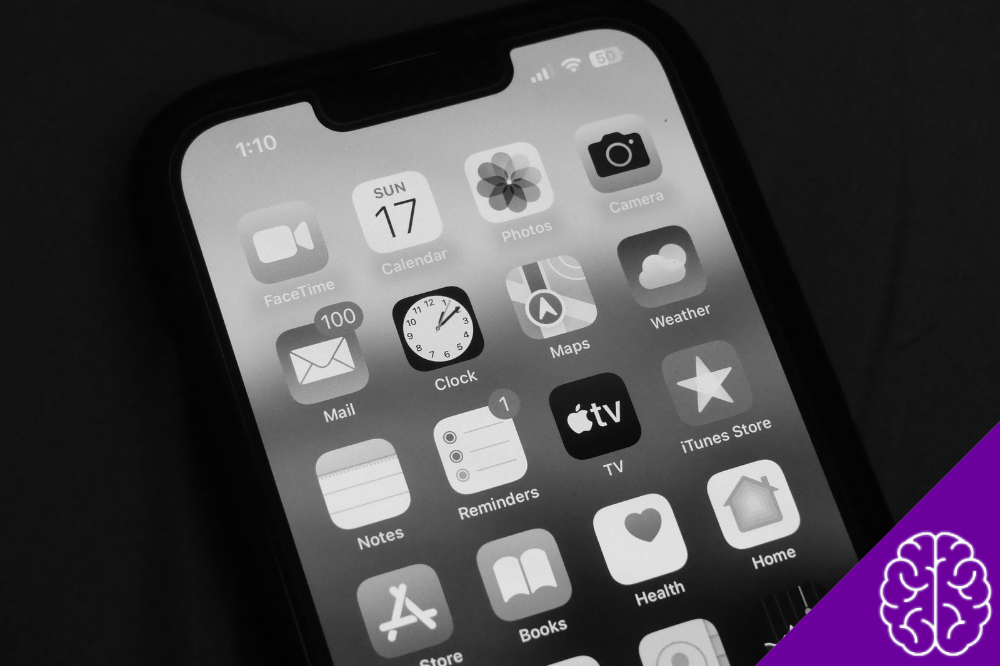
Every time you hit “Accept” on a Terms and Conditions pop-up, you aren’t just gaining a new tool; you are signing a data lease. Most users believe they are trading an email address for a service, but the reality is much deeper. In the modern data economy, the information harvested from your device is more valuable than the hardware itself.
To understand what apps know about you, you have to look past the surface. From the way you tilt your phone to the specific speed at which you scroll, your digital footprint is being mapped with terrifying precision. Here are 12 things your apps are tracking right now.
1. Your Physical “Life Path”
Even if you aren’t using a navigation app, many apps track your location in the background. They don’t just know where you are; they know where you live, where you work, and which coffee shop you visit every Tuesday at 9:00 AM. This “frequent locations” data creates a predictive map of your future movements.
2. Your “Biometric” Scrolling Habits
According to research often cited by the Federal Trade Commission (FTC), companies use “behavioral biometrics.” Apps can track the pressure you apply to the screen and your typing rhythm. This data is so unique it can be used to identify you even if you log in from a completely different account or device.
3. The “Financial Health” Profile
Apps often request access to your contacts or storage, but they also “scrape” metadata that hints at your Debt-to-Income (DTI) ratio. If you have multiple high-interest lending apps installed, data brokers categorize you as a “high-risk” or “distressed” consumer, which can influence the types of high-APR advertisements you see across the web.
4. Your Battery Life and Signal Strength
It seems harmless, but apps track your battery level and Wi-Fi signal. Why? Research suggests that people with low battery levels are more likely to make impulsive purchases or accept higher prices for ride-sharing services because they are in a “state of urgency.”
5. Your Hidden Social Graph
Even if you don’t sync your contacts, apps can figure out who you know. By comparing your location data with another user’s location, an app can deduce that you are friends because you spend four hours in the same apartment every Friday night. This is how “suggested friends” appear even when you’ve never shared a phone number.
6. The Contents of Your Photo Metadata
When you give an app access to your camera roll, it sees more than just your vacation photos. It reads the EXIF data attached to those images. This tells the app exactly what brand of camera or phone you use, the GPS coordinates of where the photo was taken, and even the altitude.
7. Your Emotional State
Through a process called “Sentiment Analysis,” apps monitor the words you type in private messages or captions. They look for keywords associated with sadness, excitement, or anxiety. Advertisers then bid on your “mood,” showing you comfort food ads when you’re down or luxury travel ads when you’re feeling successful.
8. What’s On Your Home Screen
On certain operating systems, apps can see what other apps you have installed. If you have three different competitor apps, they may offer you a “win-back” discount. If they see you have high-end investment apps like Vanguard or Fidelity, they tag you as a high-net-worth individual.
9. Your Audio Environment
While the “my phone is listening to me” theory is hotly debated, many apps do request microphone access for “voice commands.” This access can technically allow for acoustic fingerprinting—detecting the background noise of a television show or a specific brand of vacuum cleaner to build a profile of your household products.
10. Your Sleep Schedule
If your accelerometer (the sensor that detects movement) goes still at 11:00 PM and starts moving again at 7:00 AM, the app knows your sleep patterns. This information is a goldmine for health insurance data brokers and pharmaceutical advertisers looking to target users with sleep-related products.
11. Your Precise Altitude
Modern smartphones contain barometers to help with GPS accuracy. This allows apps to know exactly which floor of a shopping mall you are on. If you linger in front of a luxury watch store on the third floor, you might find a “limited time offer” for that exact brand in your inbox thirty minutes later.
12. Your Shopping Intent
Through “pixel tracking” and “deep linking,” an app knows what you put in a shopping cart on a completely different website. If you viewed a pair of boots on a browser but didn’t buy them, the app will “retarget” you, showing you those same boots until your resistance—and your bank balance—breaks.
Reclaiming Your Digital Sovereignty
Understanding what apps know about you is the first step toward digital defense. You don’t have to delete every app to stay safe, but you should be proactive about your privacy settings.
- Audit Permissions: Go to your settings and revoke “Always On” location access for any app that doesn’t strictly need it.
- Limit Ad Tracking: Use the “Ask App Not to Track” feature on iOS or the “Delete Advertising ID” option on Android.
- Use Burner Emails: For non-essential apps, use a masked email service to prevent them from linking your activity to your primary financial identity.
Your data is your most valuable currency. In a world where your Annual Percentage Yield (APY) and credit score are increasingly influenced by digital behavior, guarding your privacy is the ultimate “no-nonsense” financial move. Start treating your data like the asset it is, and stop giving it away for free.
The Invisible Ledger: Why Privacy is the New Currency
Ultimately, the goal of this massive data collection is to predict your next move before you even make it. By limiting the “signals” you send into the digital ether, you maintain the power of choice. A clean digital profile isn’t just about privacy; it’s about preventing algorithms from pigeonholing your economic potential. Turn off the trackers, audit your permissions, and take back control of your personal narrative.