

From the ground, the world feels vast and sometimes unpredictable. However, when we change our perspective to a few hundred miles above the Earth, we see a planet that is vibrant, energetic, and deeply interconnected. Many natural events that seem large to us are actually part of massive global systems that can only be fully appreciated from the silence of orbit.
For most of us, these natural events offer a sense of wonder that is completely free to enjoy. Thanks to modern satellite technology, high-definition images of our changing world are available to anyone with a smartphone. You don’t need an expensive telescope or a laboratory to witness the Earth’s most spectacular shows. In this deep dive, we will explore the science and the beauty behind the phenomena that define our living planet.
1. The Shimmering Aurora Borealis and Australis
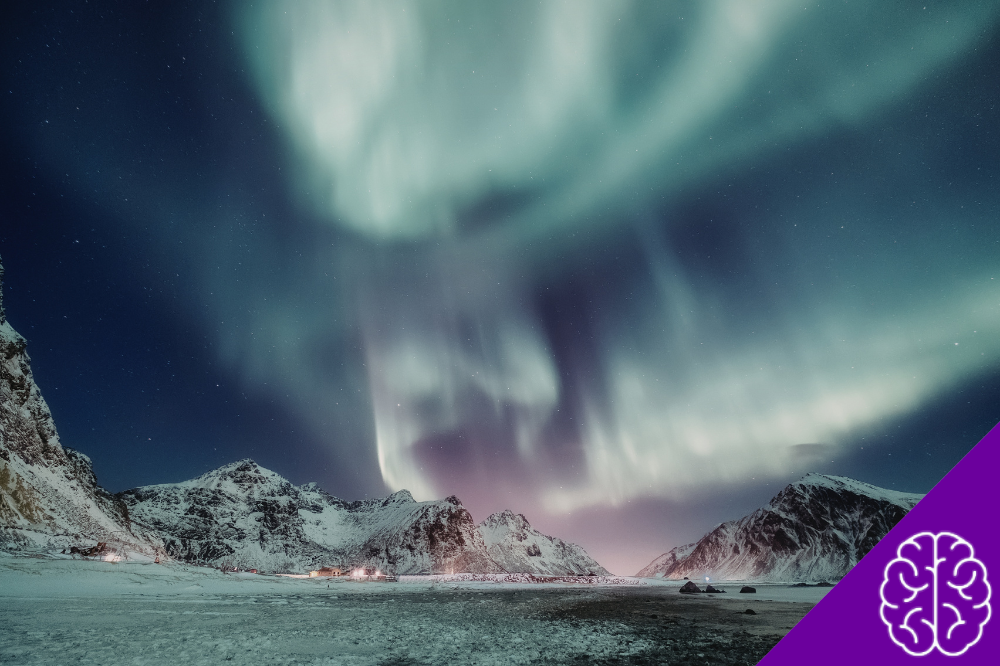
Perhaps the most famous natural events captured by astronauts on the International Space Station (ISS) are the Auroras. Known as the Northern and Southern Lights, these glowing curtains of light are a constant reminder of Earth’s relationship with the Sun.
The Science Behind the Glow
This phenomenon isn’t just a random light show; it’s a high-energy interaction between the Earth and the Sun. The Sun is constantly releasing a “solar wind” of charged particles. When these particles reach Earth, our planet’s magnetic field funnels them toward the north and south poles. As they crash into the gases in our atmosphere, they release energy in the form of light.
Different gases produce different colors. Oxygen creates the classic green and red colors, while nitrogen produces blue and purple hues. From space, you can see the depth of these lights, appearing like neon ribbons waving in a dark ocean.
A Perspective from the Stars
While we see these natural events as flickering lights in the night sky, satellites see them as massive, glowing “halos” that crown the top and bottom of the globe. From orbit, you can see the Aurora sitting right on the edge of our thin, protective atmosphere. It is a powerful visual of our planet’s natural defense system—a service nature provides for free to protect us from solar radiation.
2. The Powerful Swirl of Tropical Cyclones
Hurricanes, typhoons, and cyclones are natural events that demonstrate the sheer mechanical power of our atmosphere. From the ground, these are storms of wind and rain that can be frightening. But from space, they reveal a perfect, terrifying symmetry that is almost hypnotic to watch.
The Anatomy of a Storm from Above
From a satellite’s perspective, a hurricane looks like a giant, white spinning disk. The most iconic feature is the “eye” at the center—a small, circular area of calm, clear blue sky surrounded by the “eyewall,” where the strongest winds and heaviest rains live.
These natural events can span over 1,000 miles in diameter. This means they are often too big to be seen in their entirety from a mountain top or even a commercial airplane. Only from space can we see the full, elegant spiral. This bird’s-eye view is a vital public service; by tracking these storms from orbit, weather experts can provide free, life-saving warnings to millions of people in their path, ensuring that everyone has the chance to stay safe.
3. The Massive Plumes of Volcanic Eruptions
Volcanoes are some of the most unpredictable and explosive natural events on our planet. While a single eruption might seem like a local disaster, the impact can be truly global. When a volcano erupts with immense force, it shoots millions of tons of ash, gas, and steam high into the air.
Impact on the Atmosphere
From space, a volcanic eruption looks like a sudden, dark mushroom cloud rising through the white clouds of the atmosphere. These ash plumes can travel for thousands of miles, crossing oceans and continents. But satellites see more than just the gray ash; they use special sensors to track invisible gases like sulfur dioxide.
These natural events can even affect the world’s climate. Significant eruptions can release enough particles to reflect sunlight away from the Earth, temporarily cooling the planet’s temperature. Furthermore, monitoring these plumes is essential for aviation safety. Volcanic ash is like tiny shards of glass; it can melt inside jet engines and cause them to fail. Satellite data acts as a free “safety net” for global travel, helping pilots avoid dangerous zones in real-time.
4. The Transatlantic Journey of Saharan Dust Storms
It is hard to believe that a storm in the middle of a desert in Africa could affect the weather in the Caribbean or the health of a forest in South America, but natural events on this scale happen every year. The Sahara Desert releases massive clouds of dust that are picked up by high-altitude winds and carried across the Atlantic Ocean.
A Bridge Made of Sand and Wind
From a satellite’s perspective, these dust storms look like long, beige “veils” or rivers flowing across the bright blue ocean. These clouds can be thousands of miles long and are easily tracked by weather satellites. While they might seem like simple pollution, they are actually part of a global life-support system.
Nature’s Free Fertilizer
Why does this matter to us? The Saharan dust contains minerals like phosphorus and iron. When it eventually falls over the Amazon Rainforest, it acts as a natural, free fertilizer. Without these natural events occurring across the ocean, the lush forests of South America would struggle to find the nutrients they need to thrive. It is a beautiful example of how the Earth provides what is needed across vast distances at no cost to humanity, connecting two completely different worlds through the wind.
5. The Vibrant Swirls of Phytoplankton Blooms
Not all natural events visible from space are driven by wind, fire, or heat. Some are created by the smallest living things on Earth. Phytoplankton are microscopic, plant-like organisms that live in the ocean. When the water temperature and nutrients are just right, they multiply exponentially, creating what scientists call a “bloom.”
Painting the Ocean Surface
When these blooms occur, the ocean turns into a swirling masterpiece of turquoise, teal, and bright green. These patterns follow the ocean currents and eddies, looking like colorful ink dropped into a basin of water. From space, these displays can cover tens of thousands of square miles.
The Lungs of the Planet
These tiny organisms might be invisible to the naked eye on the beach, but their collective impact is massive. Phytoplankton are responsible for producing about 50% of the world’s oxygen—every second breath you take comes from these microscopic plants. By observing these natural events from space, we can monitor the health of our oceans and the impacts of climate change. It’s a reminder that even the smallest life forms play a giant role in keeping our world habitable.
The Value of the Global Perspective
The ability to monitor these natural events from orbit has changed the way we understand our lives. In the past, only a few people could see the Earth this way. Today, this information is a public resource. Whether you are using a smartphone at a bus stop or a computer at a community center, the “big picture” of our planet is yours to explore.
By following the data provided by space agencies, we gain a deeper appreciation for the Earth’s resilience. We see a planet that is constantly moving, changing, and taking care of itself. These satellite views offer a free education on the beauty and complexity of nature, making the wonders of the universe accessible to everyone, regardless of their background or income level.
Why Digital Accessibility Matters
Most of us now access information through mobile devices. The images and stories of these natural events are often optimized for quick viewing, allowing us to stay connected to the environment even when we are in the middle of a city. This accessibility ensures that the “big picture” of Earth is available to everyone. It levels the playing field, giving every person the same window into the wonders of science that was once reserved for only the most elite researchers.
A New View of Our Shared Home
The 5 natural events we’ve explored show that Earth is far more than just a collection of different countries and cities. It is a dynamic, living, and interconnected system. From the glowing lights of the poles to the life-giving dust of the deserts, the view from space tells a story of a planet that belongs to all of us.
The best part of this technological age is that you don’t need to be an astronaut to experience this sense of awe. The most incredible shows on Earth are happening right now, and they are being broadcast for free by the satellites orbiting above our heads. All we have to do is take a moment to look at the world from a different perspective and realize how fortunate we are to call this swirling, glowing blue marble our home.