
Nostalgia once represented a medical curse, viewed as a dark shadow of “homecoming pain” that crippled the minds of soldiers. Today, we understand it as a sophisticated emotional tool—a mental filter that helps us maintain our identity and resilience.
By exploring the psychology of nostalgia, we see how our brains act like film editors. They cut out the boring bits and the pain, leaving us with a highlight reel that provides comfort during uncertain times and strengthens our social bonds.
The Neurological Architecture of a Memory
When we feel nostalgic, our brains perform a complex biological dance. The process involves the hippocampus, which retrieves the data of our memories, and the amygdala, which colors those memories with deep, often positive emotions. This internal collaboration creates a vivid mental experience that feels more “real” than a standard recollection.
Neuroscientists identify that nostalgia also activates the reward system of the brain, specifically the ventral striatum. This is why a simple scent or a familiar melody triggers a rush of dopamine. It is not just a thought; it is a chemical event that rewards the brain for revisiting safe, happy periods of our personal history.
- The hippocampus manages the chronological “what” and “where” of the event.
- The amygdala adds the emotional “warmth” that defines the nostalgic state.
- The prefrontal cortex integrates these feelings into our sense of self.
- Dopamine release provides an immediate mood lift during the recall process.
Why the Brain Favors Positive Revision
Human memory does not function like a video recording; it acts as a reconstruction. Every time we visit a past event, our brain has the opportunity to edit the file. This phenomenon, known as “rosy retrospection,” allows the brain to diminish negative emotions while amplifying positive ones.
This editing serves a “no-nonsense” psychological purpose. By softening the edges of past trauma and focusing on successful social interactions, the brain builds a narrative of survival. This mental editing helps us avoid the paralyzing effects of past failures, allowing us to move forward with a sense of competence and hope.
Nostalgia as a Survival Coping Mechanism
In a modern world characterized by rapid change and isolation, nostalgia acts as a psychological stabilizer. It most frequently triggers during negative states like loneliness, boredom, or anxiety. When we feel disconnected from the present, our brain pulls us back into the past to remind us that we are loved.
Psychologists refer to this as a “buffer” against existential threats. By reconnecting with our roots, we reinforce our identity. This internal continuity remains vital for mental health, as it ensures we do not feel like “strangers” to our own history when life becomes difficult or unfamiliar.
- Nostalgia increases self-esteem by reminding us of past achievements.
- It combats loneliness by evoking the “presence” of loved ones.
- It provides a sense of purpose during periods of life transition.
- It fosters social connectivity by encouraging us to share stories.
The Evolutionary Advantage of Looking Back
From an evolutionary perspective, the psychology of nostalgia might seem counterproductive. However, nostalgia likely helped our ancestors build and maintain the social cohesion necessary for survival. Sharing nostalgic stories strengthens group bonds and increases trust within a tribe or community.
When members of a group share a common past, they cooperate more effectively. Additionally, nostalgia can act as a “thermal” comfort; research suggests that feeling nostalgic can actually make the body feel physically warmer in cold environments. This physiological response aided survival during harsh winters in our ancestral past.
The Difference Between Nostalgia and Rumination
It is crucial to distinguish healthy nostalgia from “rumination.” While nostalgia is generally a bittersweet but positive state, rumination involves getting stuck in a loop of negative past events. Nostalgia focuses on “what was good,” while rumination obsessively analyzes “what went wrong.”
A “no-nonsense” approach to mental health involves using nostalgia as a springboard for the future. When used correctly, a visit to the past provides the emotional “invested capital” needed to face new challenges. It reminds us of our resilience, providing the evidence we need to believe that we can overcome current obstacles.
Cultural Nostalgia and Shared Identity
Beyond the individual, nostalgia exists on a collective level. This “cultural nostalgia” explains why we see cycles of fashion, music, and film styles returning every few decades. We collectively yearn for eras that we perceive as simpler or more authentic, even if we did not live through them ourselves.
This shared longing creates a powerful sense of belonging among strangers. Whether it is a shared love for a specific decade’s music or a collective memory of a historical event, these “macro-memories” act as social glue. They allow individuals to find common ground in a fragmented world, proving that nostalgia is a bridge between generations.
Harnessing Nostalgia for Mental Well-being
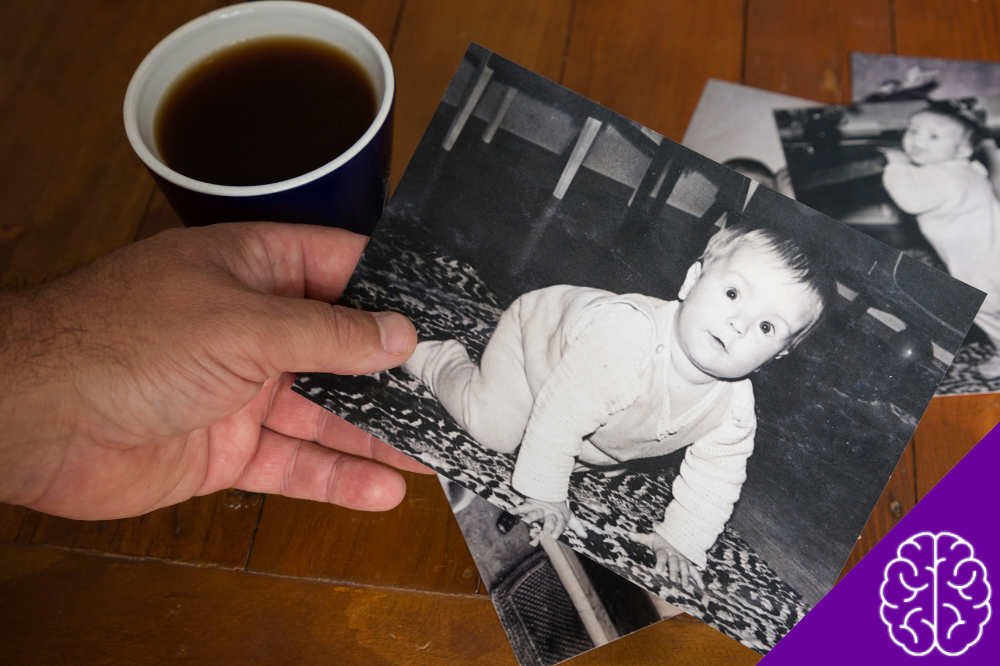
To get the most benefit from the psychology of nostalgia, individuals practice “intentional nostalgizing.” This involves deliberately seeking out triggers—like old photos, journals, or classic films—when feeling overwhelmed. This is not about living in the past, but about visiting it to recharge our emotional batteries.
Maintaining a “gratitude journal” represents a modern way to create future nostalgia. By documenting small wins and happy moments now, you “pre-edit” your future memories. This ensures that years from now, your brain possesses a rich library of positive data to pull from when you need a boost of comfort.
The Future of Memory Research
As technology advances, we discover new ways to interact with our past. Virtual reality and AI-enhanced photos allow people to “step into” their memories with unprecedented clarity. While these tools offer new ways to trigger nostalgia, the core biological process remains a search for meaning through the lens of time.
Researchers continue to investigate how nostalgia can serve as a clinical treatment for depression and dementia. By stimulating the “nostalgia-related network” in the brain, clinicians hope to help patients reconnect with their identity. The past remains one of our most potent medicines for navigating the complexities of the future.
The Golden Lens of the Mind
The psychology of nostalgia reveals that our brains act as storytellers rather than mere record-keepers. They edit our history to ensure we remain the heroes of our own journey. While the past was not as perfect as we remember, that “idealized” version provides the strength we need today.
Nostalgia is the heart’s way of telling us that we belong. By embracing these moments of reflection, we honor the path that brought us here. We do not look back to stay there, but to remember who we are and what we are capable of achieving.
The past remains a beautiful, edited country—and we are always welcome to visit. We use these memories as a compass, guiding us through the fog of the present toward a brighter, more connected tomorrow. Our edited past is not a lie, but a necessary truth that keeps us moving forward.