
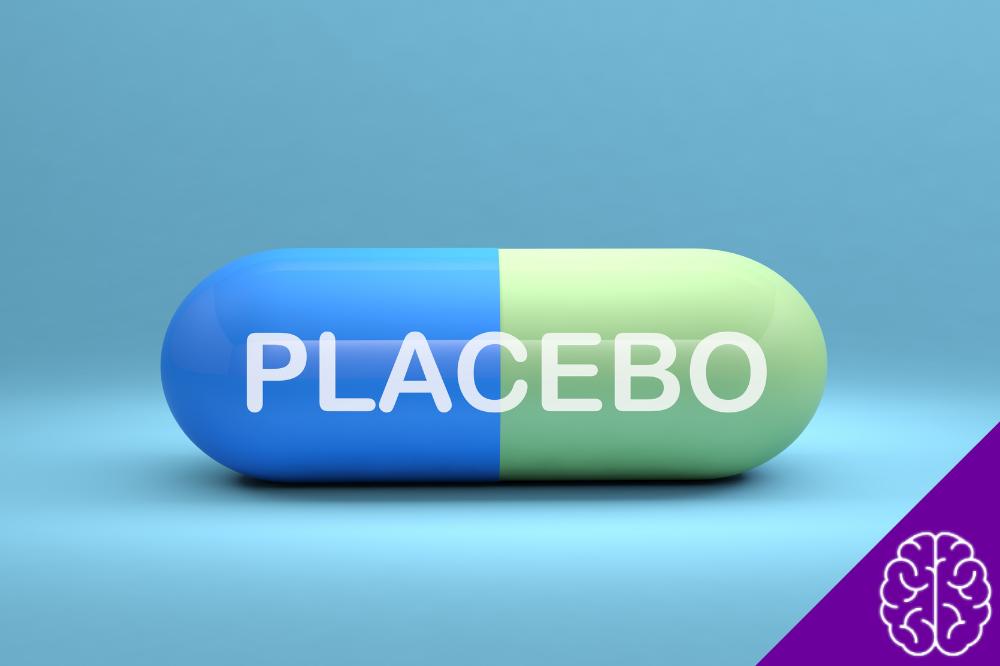
The placebo effect is not a mere psychological trick or a “mind over matter” cliché. It is a measurable, biological event that occurs when a patient’s expectations trigger physical changes in the body.
When you believe a treatment will work, your brain doesn’t just imagine a better state; it physically alters its internal chemistry. This biological response can mimic the effects of actual medication by activating the body’s natural healing systems.
By understanding this internal pharmacy, we can unlock a deeper appreciation for the complex relationship between our mental state and our physical health. It proves that our brains are not just passive observers but active participants in our recovery.
The Biological Reality of Belief
When a patient takes a “sugar pill” believing it is a potent medicine, the brain’s reward system ignites. This is a targeted response that produces real molecules. Specifically, the prefrontal cortex signals the release of endorphins and enkephalins, which are the body’s natural opioids.
These chemicals act as powerful pain-relief agents by blocking pain signals before they reach the conscious mind. In patients with Parkinson’s disease, placebo treatments have been shown to trigger a surge in dopamine levels. This is the exact neurotransmitter that pharmaceuticals aim to supplement, proving the brain can replicate the effects of medicine using its own organic resources.
The Power of the Medical Ritual
It isn’t just the pill that triggers the healing; it is the “ritual of care.” Research indicates that the context surrounding a treatment—the doctor’s white coat and the act of swallowing a pill—acts as a psychological anchor. Our brains are highly conditioned to associate these symbols with the relief of suffering.
The physical characteristics of a placebo also influence the intensity of the response. Experts have noted several fascinating patterns in how we process these “treatments”:
- Color Psychology: Red placebo pills are consistently perceived as stimulants, while blue ones are processed as sedatives.
- The Price of Health: Patients often report higher relief from “expensive” branded placebos compared to discount versions.
- The Method of Delivery: Placebo injections typically produce a stronger biological healing response than simple tablets because the brain perceives the treatment as more “serious.”
Open-Label Placebos: Healing Without Deceit
One of the most fascinating discoveries is the Open-Label Placebo. In these studies, doctors are completely honest, telling patients: “This is a sugar pill with no active ingredient.” Surprisingly, many patients still experience significant symptom relief.
This suggests that the brain is so deeply conditioned to the act of treatment that it can trigger a response even when the conscious mind knows the pill is inert. The body honors the routine of healing, showing that the mind-body connection operates on a subconscious level that can bypass logical skepticism.
The Molecular Machinery of Expectation
Why did we evolve this way? Scientists believe the placebo effect is part of an evolutionary energy management system. Healing is a metabolically expensive process. If the brain perceives that the environment is unsafe, it may suppress certain healing functions to save energy for immediate survival.
When a doctor enters the room, the brain receives a signal that help has arrived. This lowers cortisol levels and gives the immune system the “green light” to invest resources into repair. In this sense, a placebo acts as a key that unlocks a door the body had kept bolted for its own protection.
The Dark Side: The Nocebo Effect
The same mechanism that heals can also cause harm. The nocebo effect occurs when negative expectations lead to actual physical symptoms. If a patient is warned about a specific side effect, they are statistically more likely to experience it, even if they are taking a harmless placebo.
This highlights the importance of medical communication. Negative suggestions can inadvertently trigger the brain to manifest the very symptoms we fear. It proves that our mental “forecast” of our health often becomes a self-fulfilling prophecy, making the management of our thoughts as critical as the management of our physical symptoms.
The Nervous System as a Pharmacist
The placebo effect is not limited to pain; it has been documented in cases of asthma and even sports science. Athletes have shown increased strength after being told they were given a new performance enhancer, suggesting the brain can unlock existing physical potential when it believes it has the “tools” to do so.
While the brain cannot do the impossible—it cannot shrink a malignant tumor or regrow a limb—it is remarkably effective at managing the subjective experience of disease. By modulating pain, fatigue, and nausea, the brain significantly improves a patient’s quality of life.
Redefining Modern Medicine
For decades, the placebo was seen as a nuisance in clinical trials. Today, we are beginning to see it as a primary tool. If we can harness the brain’s natural ability to release endorphins without the side effects of synthetic drugs, we could revolutionize how we handle chronic pain and recovery.
The future of healthcare may involve “placebo-augmented” treatments. By treating the person rather than just the pathology, we tap into a biological reservoir of health that has been with us for millennia. This approach acknowledges that a patient’s belief is a vital component of the clinical outcome.
Your Mind as an Active Participant
The placebo effect proves that the brain is not a passive observer of the body’s health. It is a vital participant capable of dispensing custom-made chemicals to help us heal from the inside out.
When you feel better after a comforting word or a simple ritual, remember that your brain is performing a miracle of chemistry. It uses your beliefs as a blueprint to rebuild your physical well-being, proving that the mind is the most powerful pharmacy ever discovered.
Trust in your body’s ability to mend itself. The mind-body connection is a constant, quiet force that works every second of your life to keep you in balance.