

Some forbidden places have become the subject of conspiracy theories, while others are closed for reasons that are far more practical. Military security, environmental conservation, public safety, and historical preservation are among the most common reasons governments restrict access to certain locations.
Although a few authorized researchers or personnel may be allowed to enter, these places remain off-limits to the general public. Here are ten of the most fascinating locations where visiting is either prohibited or extremely restricted.
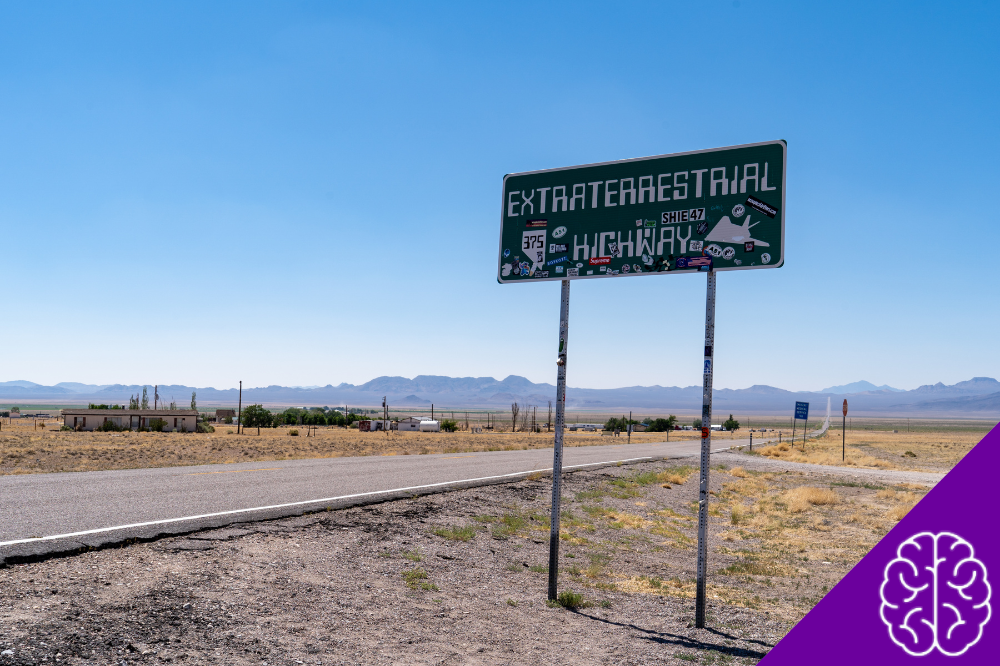
1. Area 51 (Nevada, United States)
Few forbidden places are as famous as Area 51.
Located within the Nevada Test and Training Range, the facility is operated by the U.S. military and has long been associated with secret aircraft development. The U.S. government officially acknowledged its existence only in 2013, but the activities conducted there remain largely classified.
Despite countless theories involving extraterrestrials, there is no official evidence supporting those claims. What is certain is that unauthorized entry is prohibited, and security personnel closely monitor the surrounding area.
2. North Sentinel Island (India)
North Sentinel Island is home to the Sentinelese, one of the world’s last uncontacted Indigenous peoples.
The Indian government strictly prohibits visitors from approaching the island to protect both the tribe and outsiders. Contact could expose the Sentinelese to diseases for which they have little or no immunity, while visitors also face significant safety risks.
Even researchers are generally not permitted to visit the island.
3. Surtsey Island (Iceland)
Surtsey emerged from the Atlantic Ocean following a volcanic eruption that lasted from 1963 to 1967.
Because it offers scientists a rare opportunity to study how life naturally colonizes new land, authorities restrict access almost entirely to authorized researchers.
Strict controls help ensure that plants, animals, and microorganisms arrive through natural processes rather than human activity.
4. Ilha da Queimada Grande (Snake Island, Brazil)
Often called Snake Island, Ilha da Queimada Grande has one of the highest concentrations of venomous snakes in the world, including the critically endangered golden lancehead.
To protect both the ecosystem and public safety, the Brazilian government severely restricts access. Visits are generally limited to researchers and other authorized professionals with permission from the relevant environmental authorities.
5. Lascaux Cave (France)
Discovered in 1940, Lascaux Cave contains some of the best-preserved prehistoric paintings ever found.
Thousands of visitors entered the cave during the years following its discovery, but human presence began damaging the artwork by altering temperature, humidity, and carbon dioxide levels.
Today, authorities keep the original cave closed to the public to preserve these ancient paintings for future generations. Visitors can instead explore detailed replicas created for tourism and education.
6. The Vatican Apostolic Archive (Vatican City)
Despite its reputation in novels and conspiracy theories, the Vatican Apostolic Archive is not completely off-limits. However, access is highly restricted.
The archive contains centuries of historical documents related to the Catholic Church and the Holy See. Qualified scholars can request access for approved research projects, but the general public is not allowed inside.
The restrictions exist to preserve fragile historical records rather than to hide mysterious secrets.
7. Niihau (Hawaii, United States)
Known as the “Forbidden Island,” Niihau is privately owned and has remained largely isolated from tourism for more than a century.
Only residents, invited guests, property owners, and authorized workers are typically permitted to visit. These restrictions help preserve the island’s traditional Hawaiian culture, language, and way of life.
Unlike neighboring Hawaiian islands, Niihau has intentionally limited outside influence.
Although each destination has its own story, most forbidden places share a common purpose: protecting something that could be damaged by unrestricted human access.
8. Heard Island (Australia)
Heard Island is one of the most remote places on Earth.
Located in the southern Indian Ocean, it is home to active volcanoes, glaciers, and diverse wildlife. Because it is both environmentally sensitive and extremely difficult to reach, the Australian government tightly controls access.
Most visitors are scientists conducting approved research, and permits are rarely granted.
9. Reactor No. 4 at Chernobyl (Ukraine)
Although parts of the Chernobyl Exclusion Zone can be visited under specific conditions when authorized by Ukrainian authorities, Reactor No. 4 itself remains inaccessible to the public.
Strict security measures protect the structure that housed the 1986 nuclear accident because of ongoing safety concerns and the need to preserve the site for monitoring and scientific purposes.
Specialized personnel working under carefully controlled conditions generally receive the only access.
10. Fort Knox Gold Vault (Kentucky, United States)
The United States Bullion Depository at Fort Knox stores a significant portion of the country’s official gold reserves.
Multiple layers of physical security and military oversight protect the facility, making it one of the most secure locations in the world.
Public tours are not available, and visits have been extremely rare throughout its history. Even many government officials have never entered the vault.
Why are some places closed to the public?
While some locations fuel myths and speculation, the real reasons for restricting access are usually straightforward.
Governments and organizations typically close certain places to:
- protect national security;
- preserve fragile ecosystems;
- safeguard archaeological and historical sites;
- protect isolated Indigenous communities;
- reduce risks to public safety.
In many cases, limiting human activity helps preserve these locations for scientific research and future generations.
Places that remind us not everything should be accessible
The world’s most fascinating forbidden places are often protected for practical reasons rather than mysterious ones. Whether the goal is preserving ancient artwork, protecting vulnerable communities, safeguarding classified military operations, or conserving unique ecosystems, restricted access helps ensure these places remain intact.
While curiosity naturally draws people toward the unknown, respecting these restrictions is often essential for protecting history, science, wildlife, and even human lives.
- You May Also Like: 5 Places on Earth Where the Laws of Physics Seem to Fail