

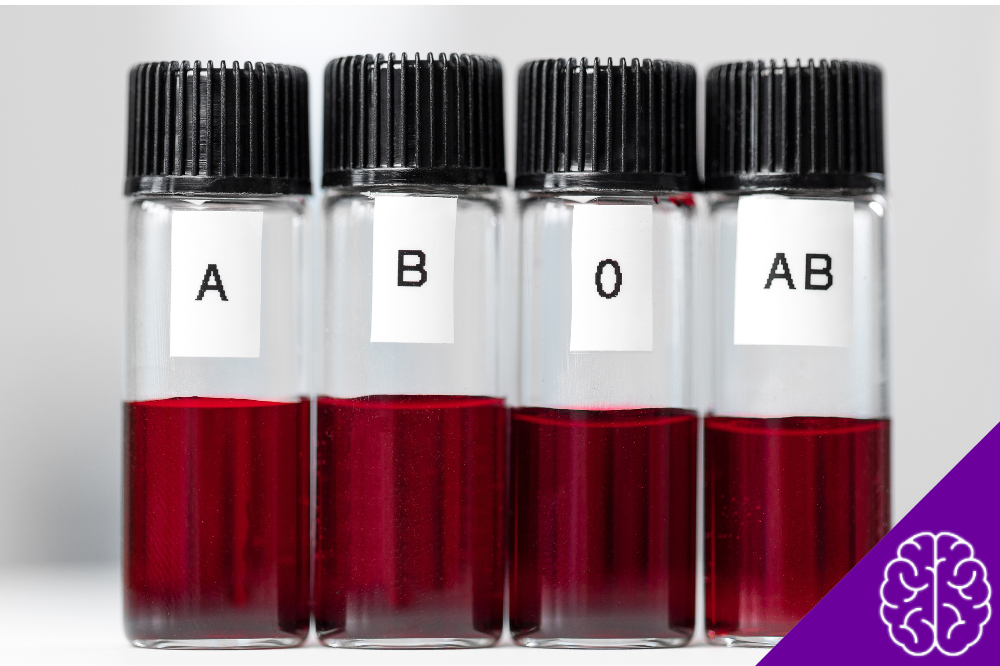
Blood types may seem like simple labels, but the differences between them involve inherited traits and the way the immune system recognizes red blood cells. Understanding blood types helps explain why some people can donate blood to certain recipients while others need carefully matched transfusions.
Although everyone has the same basic blood components, specific markers create different blood groups. These variations influence medical procedures, pregnancy care, and transfusion compatibility.
What determines a person’s blood type?
A person’s blood type depends on specific markers called antigens. These molecules sit on the surface of red blood cells and help the immune system distinguish the body’s own cells from foreign ones.
Two classification systems play the main role in identifying the most familiar blood groups:
- ABO system: identifies the A and B antigens.
- Rh system: determines whether a person has the RhD antigen.
Together, these systems create eight common combinations:
- A positive (A+)
- A negative (A−)
- B positive (B+)
- B negative (B−)
- AB positive (AB+)
- AB negative (AB−)
- O positive (O+)
- O negative (O−)
Biological parents pass the genes that determine these characteristics to their children. As a result, blood groups reflect inherited traits, rather than lifestyle, diet, or everyday habits.
How does the ABO blood group system work?
The ABO system divides blood into four main groups according to the A and B antigens found on red blood cells. Each group also has a characteristic antibody pattern in its plasma, the liquid portion of blood.
Here is how the four groups differ:
- Type A: Red blood cells carry A antigens, while plasma normally contains anti-B antibodies.
- Type B: Red blood cells carry B antigens, and plasma contains anti-A antibodies.
- Type AB: Red blood cells carry both A and B antigens. Plasma normally contains neither anti-A nor anti-B antibodies.
- Type O: Red blood cells carry neither A nor B antigens, while plasma contains both anti-A and anti-B antibodies.
These combinations explain why doctors must check compatibility before a transfusion.
For example, a person with type A blood has anti-B antibodies that can attack red blood cells carrying B antigens. This reaction can damage the donated cells and cause serious complications.
In general, the immune system reacts against A or B markers that a person’s own red blood cells do not carry. This interaction is one of the main reasons medical teams pay close attention to blood types before giving donated blood.
What is the Rh factor, and why does it matter?
The Rh factor adds another distinction to blood classification. The positive or negative sign in a blood type refers mainly to the presence or absence of a marker called the RhD antigen.
The difference is straightforward:
- Rh-positive: red blood cells carry the RhD antigen.
- Rh-negative: red blood cells do not carry this antigen.
This distinction creates two versions of each ABO group, such as A-positive and A-negative.
The immune system of an Rh-negative person can develop antibodies after exposure to Rh-positive red blood cells. A transfusion or pregnancy can cause this exposure.
Unlike the antibodies associated with the ABO system, anti-D antibodies generally develop after contact with the RhD antigen. Healthcare professionals therefore check Rh status before certain medical procedures and during prenatal care.
How do parents pass blood types to their children?
Children inherit blood type genes from their biological parents. The ABO system involves three common versions of a gene, known as A, B, and O alleles.
The A and B alleles are codominant, which means both can appear when a person inherits one from each parent. The O allele is recessive, so someone generally needs to inherit an O allele from both parents to have type O blood.
Consider a few examples:
- An A parent and a B parent: may have a child with type A, B, AB, or O blood, depending on the alleles they carry.
- Two parents with type O: will generally have a child with type O blood.
- A parent with type AB: cannot pass an O allele through the usual ABO inheritance pattern.
Rh status also follows genetic inheritance, although its genetics involve more than a simple positive-or-negative rule.
These patterns explain why children can have a different blood group from either parent’s visible type. However, blood types alone cannot establish family relationships or provide a complete picture of someone’s genetic background.
Why do blood types matter during transfusions?
Blood compatibility is essential when someone needs donated red blood cells. If a recipient receives incompatible blood, their antibodies may attack the donor’s cells and trigger a potentially dangerous transfusion reaction.
Some groups have particular advantages in emergency situations:
- O-negative: medical professionals often use these red blood cells when they do not yet know the patient’s type. They lack A, B, and RhD antigens.
- AB-positive: people with this group can generally receive red blood cells from all eight common ABO and RhD groups.
For this reason, healthcare professionals often describe O-negative individuals as universal red cell donors and AB-positive individuals as universal red cell recipients.
However, these labels do not eliminate the need for testing. Other red blood cell antigens can also affect compatibility, so medical teams perform blood typing and additional checks whenever possible.
Plasma transfusions follow different rules. AB plasma, for example, is considered the universal plasma donor type because it does not contain anti-A or anti-B antibodies.
How can blood type affect pregnancy?
Rh compatibility deserves particular attention during pregnancy. A potential concern arises when an Rh-negative pregnant person carries an Rh-positive fetus.
If fetal red blood cells enter the pregnant person’s bloodstream, the immune system may recognize the RhD antigen as foreign and produce antibodies against it.
These antibodies can cross the placenta and attack the fetus’s red blood cells, potentially causing anemia and other complications.
Doctors call this condition Rh incompatibility. It does not mean every Rh-negative pregnancy will develop complications. Healthcare professionals screen for blood type and antibodies during prenatal care to identify possible risks.
When appropriate, doctors can administer Rh immune globulin to help prevent the development of anti-D antibodies. This preventive treatment has made serious complications from Rh incompatibility much less common.
Knowing blood types therefore plays an important role in prenatal care, especially when the pregnant person is Rh-negative.
Why are some blood types considered rare?
The eight familiar groups represent only the most common combinations of the ABO and RhD systems. Red blood cells carry many other antigens, and variations in these markers create additional blood group types.
The American Red Cross identifies more than 300 other known antigens that can influence blood compatibility. Some combinations are particularly uncommon, which can make it harder to find suitable donors for certain patients.
A rare blood group does not necessarily cause health problems. Its main importance often appears when someone needs a transfusion because a compatible donor may be difficult to locate.
Blood donation programs help address this challenge by maintaining supplies from donors with different characteristics. Donations from people with uncommon markers can be especially valuable to patients who need closely matched blood.
Understanding what makes each blood type different
The differences between blood groups come from inherited markers on red blood cells and the immune system’s response to them. The ABO and Rh systems provide the basic classification, while other antigens add further layers to compatibility.
Understanding blood types helps explain why transfusion testing matters, why doctors monitor Rh status during pregnancy, and why some donations are harder to match than others.
Ultimately, these differences are more than medical labels. They help healthcare professionals make safer decisions, match donors with recipients, and identify potential risks before they become complications. Although knowing your own blood group can be useful, laboratory testing remains essential whenever medical compatibility matters.
- You May Also Like: Revealing the Secret: How Human Blood Is Made