

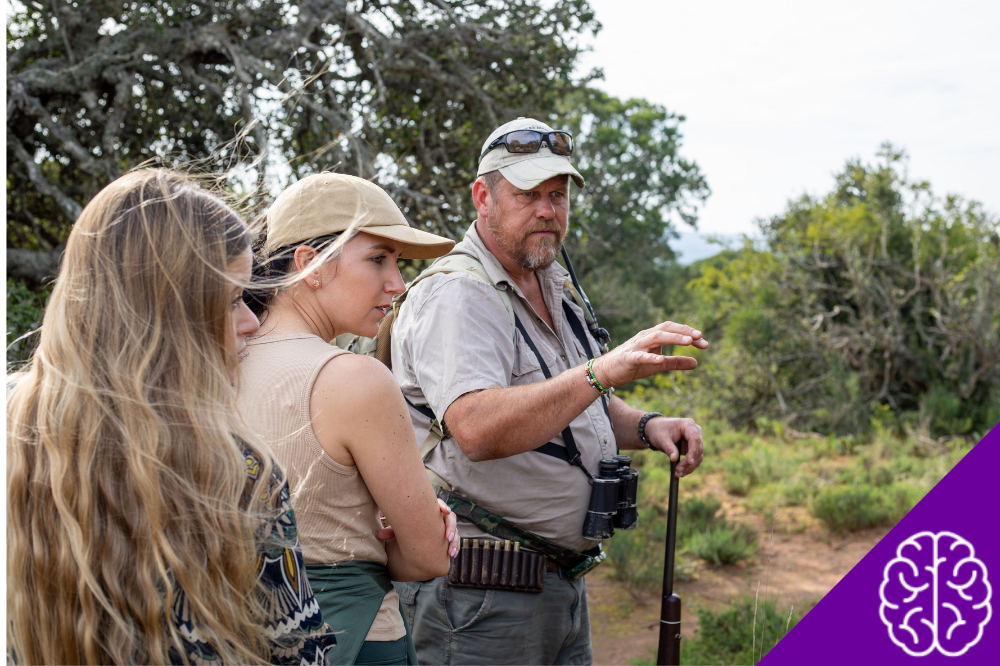
When you think of South Africa, images of lions roaming the savanna or elephants gathering at waterholes likely come to mind. While the country is certainly a top destination for wildlife enthusiasts, its identity extends far beyond the “Big Five.” Located at the southernmost tip of the African continent, this nation is a complex tapestry of history, cultural diversity, and geological marvels.
South Africa is a land marked by profound historical scars, specifically the apartheid era, yet it is also a story of resilience and reconciliation. It is an economic powerhouse fueled by gold and diamonds, a cradle of human evolution, and a place where eleven different languages fill the air.
Whether you are planning a trip or simply curious about this unique corner of the globe, understanding the nuances of the “Rainbow Nation” offers a richer perspective than any travel brochure can provide. Here is a look at the fascinating history, geography, and culture that define South Africa.
A Landscape Like No Other
South Africa’s geography is as diverse as its people, boasting ancient mountains, unique borders, and record-breaking natural features.
Ancient Mountains and Human Origins
You might be surprised to learn that South Africa is home to some of the oldest geological formations on Earth.
Table Mountain in Cape Town is estimated to be around 260 million years old. It is not just a stunning backdrop for photos; it hosts a rich ecosystem with over 1,500 species of plants, many of which are found nowhere else on the planet.
Digging deeper into the past, the country is often called the “Cradle of Humankind.” In 1924, historians discovered the first Australopithecus fossil here.
These hominids lived over two million years ago, and the discovery fundamentally changed our understanding of human evolution. Today, the site is a UNESCO World Heritage area.
Countries Within a Country
South Africa’s borders hold a geographical quirk that exists in very few other places. The nation completely surrounds two distinct monarchies: Lesotho and Eswatini (formerly Swaziland).
While they are sovereign nations with their own governments and cultures, they are landlocked entirely by South African territory.
Record-Breaking Nature
For adrenaline junkies, the geography offers more than just scenic views. The Bloukrans Bridge is home to the highest commercial bungee jump in the world.
Thrill-seekers plunge 216 meters towards the Bloukrans River below, making it a bucket-list item for visitors.
The local wildlife also holds several records found in the Guinness Book. The country hosts the largest land mammal (the African elephant), the tallest (the giraffe), the fastest (the cheetah), and the largest bird (the ostrich). Conversely, it is also home to the tiny pygmy shrew, the smallest mammal in the region.
A Complex Political History
To understand modern South Africa, one must look at its turbulent political past, from colonization to the fight for democracy.
The Colonial Era
The first significant European presence began with the Dutch in 1652, who established the Cape Colony and an agricultural society. However, the political landscape shifted during the Napoleonic Wars.
By 1806, the British took control, solidifying their dominance over the region. This British influence is still visible today, particularly in the country’s traffic laws—vehicles drive on the left side of the road (using right-hand drive cars), a stark contrast to the driving customs in the Americas.
The Shadow of Apartheid
The 20th century was defined by apartheid, a brutal system of racial segregation that legally separated Black and White citizens. It forbade interracial marriage and restricted the movement of Black people to specific areas.
While the laws were dismantled in the early 1990s, the social and economic scars remain. Visitors may still notice lingering divides in certain social settings, a reminder that the path to true equality is a long one.
A Legacy of Peace and Nobels
Despite its difficult past, the country has produced remarkable leaders dedicated to peace and progress. South Africa boasts 10 Nobel Prize laureates. This impressive list includes four Peace Prizes—most notably awarded to Nelson Mandela—as well as winners in Chemistry, Literature, and Medicine.
There is perhaps no better symbol of this legacy than Vilakazi Street in Soweto, Johannesburg. It is the only street in the world to have housed two Nobel Peace Prize winners: Nelson Mandela and Desmond Tutu.
Three Capitals
Most countries have one capital city, but South Africa has three. This unique arrangement splits the government’s powers across the country:
- Cape Town: The Legislative Capital.
- Pretoria: The Administrative Capital.
- Bloemfontein: The Judicial Capital.
Culture, Language, and Lifestyle
The cultural fabric of South Africa is woven from indigenous traditions and colonial influences, creating a lifestyle that is distinct and vibrant.
The Rainbow Nation’s Languages
Communication here is incredibly diverse. The constitution recognizes 11 official languages, reflecting the multitude of ethnic groups within its borders.
While English is widely spoken and serves as the primary language of business and government, you will also hear Afrikaans, Zulu, Xhosa, and many others in daily conversation.
The Art of the “Braai”
If you are invited to a “braai,” do not miss it. This is the South African version of a barbecue, but it is much more than a meal—it is a vital social tradition.
Friends and family gather around the fire to grill a staggering variety of meats. Beyond the standard beef and chicken, adventurous eaters can try exotic local game like wild boar, ostrich, and even crocodile.
Wine and Marula
South Africa has earned a reputation as one of the world’s premier wine producers. Its vineyards produce everything from classic reds and whites to unique local blends.
For something sweeter, there is the Marula fruit. It is widely known as the base ingredient for Amarula liqueur, but locals also use it for juices and jams.
A Divide in Sports
Sports are a national obsession, but they also reflect the country’s historical divides. Rugby has traditionally been associated with the White population, while football (soccer) has been the sport of choice for the Black population.
While these lines are blurring in the modern era, the historical preference for each sport remains a notable cultural nuance.
Economy and Travel Essentials
For those looking to visit or do business, South Africa is an economic hub with specific rules and advantages.
An Economic Powerhouse
South Africa holds the second-largest economy on the continent, trailing only Nigeria. Its wealth was built largely on vast natural reserves of gold and diamonds, though today the economy is diversified into manufacturing and services.
Johannesburg, the largest city, serves as the economic heartbeat. It houses the busiest airport in the country and stands as a symbol of resistance, having been a focal point during the anti-apartheid struggle.
Currency and Costs
The official currency is the Rand. For travelers coming from countries with stronger currencies, South Africa often offers excellent value for money. The exchange rate generally allows for a high-quality travel experience—including dining, accommodation, and safaris—at a fraction of the cost found in Europe or North America.
Alcohol Regulations
If you plan to enjoy a bottle of local wine, be aware of the strict sales laws. In supermarkets, alcohol is typically only sold between 9:00 AM and 7:00 PM.
Outside of these hours, you must visit a bar or restaurant. Furthermore, drinking in public spaces like beaches or parks is prohibited.
A Destination of Contrast!
South Africa is a place where ancient history meets modern development, and where incredible natural beauty coexists with complex social challenges.
From the fossil-rich caves of the Cradle of Humankind to the vibrant streets of Soweto, it offers a travel experience that goes far deeper than a typical sightseeing trip.
Whether you are there for the history, the business opportunities, or simply the thrill of the world’s highest bungee jump, South Africa promises an unforgettable journey!