

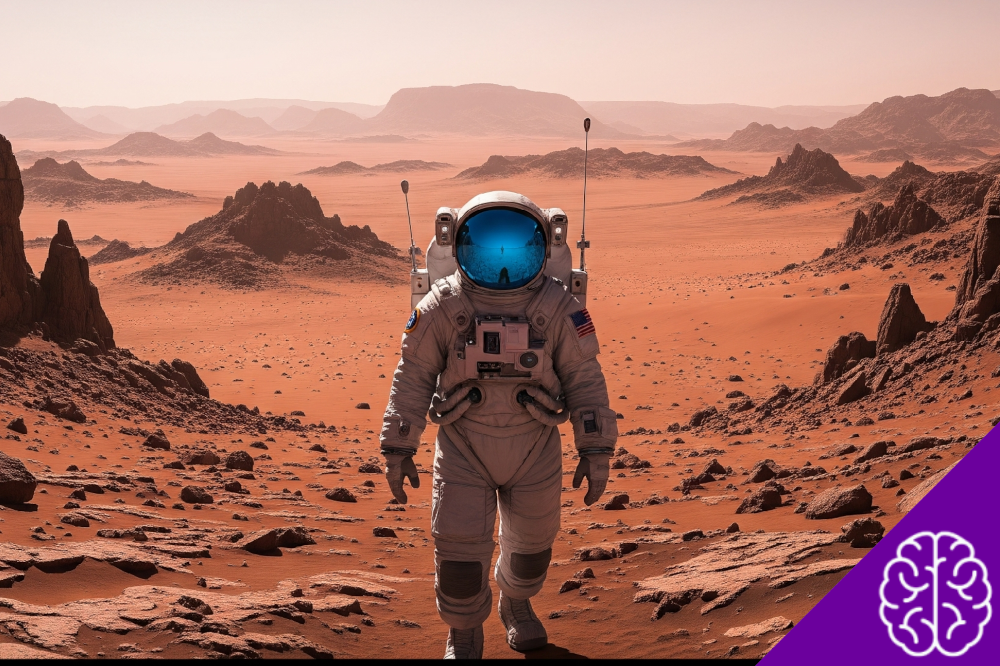
Leaving Earth’s atmosphere introduces the human body to an environment it was not designed for. The effects on the human body in space are profound, ranging from bone loss to changes in vision. As space agencies like NASA plan for long-duration missions to the Moon and Mars, understanding these challenges is crucial for keeping astronauts safe and healthy. The microgravity environment triggers a series of adaptations, some of which can be detrimental over time.
For decades, research conducted on the International Space Station (ISS) has provided invaluable data on how spaceflight alters human physiology. From muscular atrophy to cardiovascular deconditioning, the absence of gravity forces the body to change in remarkable ways. Let’s explore the key transformations that occur when humans venture into the final frontier.
The Impact on Bones and Muscles
On Earth, gravity provides constant resistance, which our skeletal and muscular systems work against to keep us upright and moving. This daily strain is essential for maintaining bone density and muscle mass. In the microgravity environment of space, this resistance is almost entirely gone.
Without the need to support the body’s weight, major changes begin to happen:
- Bone Density Loss: Astronauts can lose 1% to 1.5% of their bone mineral density per month, primarily in weight-bearing bones like the hips, spine, and legs. This rate of loss is significantly higher than that experienced by older adults with osteoporosis on Earth.
- Muscle Atrophy: The muscles used for posture and movement, such as those in the calves, back, and neck, begin to weaken and shrink. Muscle mass can decrease by as much as 20% within just two weeks.
To counteract these effects, astronauts on the ISS follow a rigorous exercise routine for about 2.5 hours each day. This includes resistance training, running on a treadmill, and using an exercise bike. Despite these measures, some loss is still unavoidable, making it a key challenge for longer missions.
Fluids Shift and Vision Changes
Gravity plays a significant role in how fluids are distributed throughout your body. On Earth, fluids naturally pool in the lower extremities. In space, this changes dramatically. Fluids shift upwards towards the head, causing a puffy face and a feeling of congestion, often described as a “space head cold.”
This fluid shift has more serious implications for the human body in space, particularly for vision. The increased pressure in the head can affect the eyes, leading to a condition known as Space-Associated Neuro-ocular Syndrome (SANS). Symptoms include:
- Flattening of the back of the eyeball
- Swelling of the optic nerve
- Changes in vision, such as decreased sharpness
Some of these vision changes can be long-lasting or even permanent, posing a significant risk for astronauts on extended missions. Researchers are actively studying this phenomenon and developing countermeasures, such as special cuffs worn on the thighs to help draw fluid back down into the legs.
Cardiovascular and Neurological Adjustments
The cardiovascular system also adapts to the lack of gravity. The heart, being a muscle, doesn’t have to work as hard to pump blood throughout the body. Over time, this can lead to deconditioning, where the heart muscle may decrease in size and strength. Upon returning to Earth, astronauts can experience orthostatic intolerance, feeling dizzy or fainting when they stand up because their cardiovascular system struggles to readjust to gravity.
The brain must also adapt to a new set of rules. Your sense of balance and spatial orientation relies on signals from your inner ear, eyes, and muscles. In space, these signals are conflicting. This can cause space motion sickness during the first few days of a mission, with symptoms like disorientation and nausea. Over time, the brain rewires itself to navigate the three-dimensional, weightless environment, but readjusting to Earth’s gravity upon return can be equally challenging.
The Unseen Threats: Radiation and Isolation
Beyond the physiological changes caused by microgravity, other environmental factors pose significant risks to the human body in space.
Space Radiation Exposure
Outside of Earth’s protective magnetic field and atmosphere, astronauts are exposed to much higher levels of radiation from galactic cosmic rays and solar particles. This increased exposure raises the lifetime risk of developing cancer, degenerative diseases like heart disease, and cataracts. Shielding on spacecraft helps, but it cannot block all forms of space radiation, making this a major concern for missions to Mars.
Isolation and Confinement
The psychological stress of living in a small, confined space for months or years cannot be underestimated. Astronauts are carefully selected and trained to work as a team, but the challenges of isolation, altered sleep cycles, and distance from loved ones can impact mental health and performance. NASA studies these effects through Earth-based analogs to develop strategies for maintaining crew morale and cognitive function during long journeys.
The Path Forward for Human Space Exploration
As space agencies advance long-duration missions to the Moon and continue studying the feasibility of human travel to Mars, understanding how space affects the human body remains essential. Research aboard the International Space Station continues to drive new technologies and countermeasures, helping scientists better understand how humans can safely adapt to the extreme environment of space.