

Have you ever seen unusual animals that almost seem unreal? Our world is full of surprising creatures, many of which can be explored and enjoyed right from your screen. Let’s take a closer look at some of the most fascinating examples.
Nature is full of surprises. Evolution has shaped animals in ways that look strange to us, but normal to them—like deep-sea creatures with transparent parts or land mammals with bee-like features.
In this guide, you’ll discover unusual animals that seem almost unreal—what makes them unique, where they’re found, and how they survive. Let’s dive in and explore the wild side of nature together.
1. Axolotl: The Smiling, Unusual Animal of Mexico
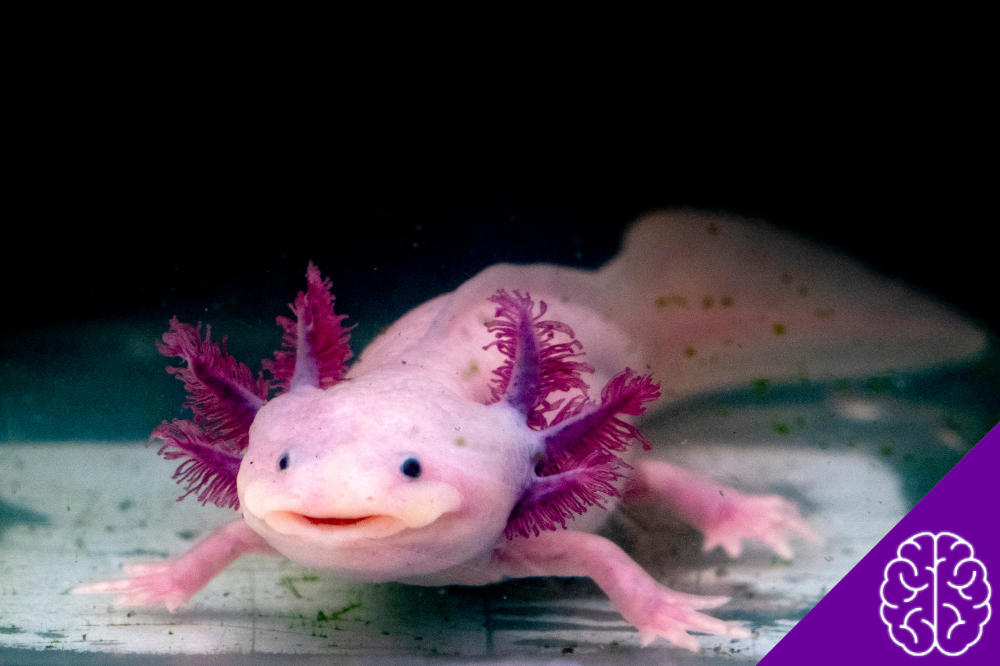
The Axolotl often goes by the nickname “the walking fish.” However, this creature is not a fish at all. It is a unique type of amphibian native to the lakes of Mexico.
With its permanent smile and feathery pink gills framing its face, the axolotl looks like a cartoon character. They come in several beautiful colors, ranging from pale pinkish-white to deep black.
Why Science Loves Them
Scientists spend a lot of time studying these amphibians because of their incredible biological superpowers. Axolotls can regenerate almost any part of their bodies.
Here are some parts an axolotl can completely rebuild:
- Limbs and toes
- Lower jaw
- Spinal cord
- Sections of their brain and heart
Medical researchers study these unusual animals hoping to unlock the secrets of tissue regeneration for human medicine. Interestingly, they also thrive in captivity and make fascinating, low-maintenance pets for curious families.
2. Aye-Aye: A Primate Among Unusual Animals
Deep in the forests of Madagascar lives the Aye-Aye. This unusual animal is a type of lemur, which means it is a primate and a distant relative to humans. However, it looks nothing like the monkeys we usually see.
The Aye-Aye features large, glowing yellow eyes, coarse gray-black hair, and a massive bushy tail. Its most famous feature is its extremely long, skeletal middle finger.
How It Hunts
The Aye-Aye uses its weird finger to find dinner in a highly specialized way.
- First, it taps rapidly on tree trunks to listen for hollow tunnels.
- Next, it uses its sharp teeth to chew a hole in the wood.
- Finally, it fishes out delicious grubs using its long, specialized middle finger.
Because of its startling appearance, some local legends suggest the Aye-Aye brings bad luck. In reality, it is just a harmless, highly specialized creature doing its best to survive in the wild.
3. Goblin Shark: The Deep-Sea Unusual Animal
If you venture up to 1,300 meters below the ocean’s surface, you might find the Goblin Shark. This deep-sea predator is exceptionally rare to spot. It prefers the dark, crushing depths where humans cannot easily go.
You can instantly recognize a Goblin Shark by its long, flat snout. This snout is not just for show. It comes packed with special electrical sensors that help the shark detect the tiny heartbeats of prey in complete darkness.
A Jaw-Dropping Bite
The most unreal thing about this shark is how it eats.
- When it finds a fish or squid, its entire jaw detaches and shoots forward.
- The jaws extend almost all the way to the end of its long snout.
- It snaps up the prey with needle-like teeth before pulling its jaw back into place.
Do not worry about running into one during a beach trip. Because they live so deep in the ocean, there has never been a recorded Goblin Shark attack on a human.
4. Lowland Streaked Tenrec: A Spiky, Unusual Animal
Madagascar is a hotspot for unusual animals, and the Lowland Streaked Tenrec is proof. This tiny mammal looks like a frantic mix between a hedgehog, a shrew, and a bumblebee.
It sports bright yellow and black stripes running down its back. These bold colors act as a warning to predators that this little creature is not an easy meal. Its body is covered in sharp, barbed quills mixed with soft fur.
Communication Through Quills
The Lowland Streaked Tenrec uses its quills for more than just physical defense.
- They have a special patch of quills on their back that they rub together.
- This rubbing produces a high-pitched clicking sound.
- They use this sound to communicate with their family members in the dark forest.
This sound-making method is called stridulation. While insects like crickets do this all the time, the tenrec is the only mammal known to use this exact trick.
5. Glaucus Atlanticus: A Beautiful but Unusual Animal
Do not let its tiny size fool you. The Glaucus Atlanticus, also known as the “blue dragon,” is a fierce marine predator. This creature is actually a type of sea slug, but it looks like a beautiful, blue alien spacecraft.
The blue dragon lives its life floating upside down on the surface of the ocean. It uses a small gas sack in its stomach to stay afloat. Its stunning blue and silver colors provide perfect camouflage against the water and the sky.
A Deadly Diet
This sea slug packs a serious punch because of what it eats.
- It hunts the deadly Portuguese Man o’ War jellyfish.
- Instead of getting hurt by the jellyfish’s sting, the slug swallows the venomous cells.
- It stores these stinging cells in its own body to use against predators.
If you ever spot one of these gorgeous blue dragons washing up on a beach, admire it from a distance. Touching one can result in a painfully toxic sting.
6. Sea Pig: The Ocean Floor’s Most Unusual Animal
Our final creature takes us back to the deep sea. The Sea Pig is not related to farm pigs at all. It is actually a type of sea cucumber known scientifically as a scotoplane.
These unusual animals live on the muddy ocean floor at extreme depths of up to 6,000 meters. They have plump, translucent pink bodies and walk around on seven pairs of tiny, tube-like legs. These legs operate using a hydraulic water system inside their bodies.
The Ocean’s Cleanup Crew
Sea pigs might look silly, but they play a crucial role in our planet’s ecosystem.
- They march across the ocean floor in massive herds.
- They act like deep-sea vacuum cleaners.
- They sift through the mud to eat decaying plant and animal matter.
By cleaning up the carcasses that sink from the waters above, Sea Pigs keep the ocean floor healthy and tidy. They prove that even the weirdest creatures have a vital purpose on Earth.
Wrapping Up Our Journey Through Unusual Animals
Nature offers an endless supply of free education and wonder. Learning about these creatures expands our understanding of what is possible on our planet. You do not need a biology degree to appreciate how incredible life can be.
From the regenerating Axolotl to the deep-sea Sea Pig, evolution has created some truly spectacular solutions for survival. We hope this list of 6 unusual animals that look almost unreal has inspired you to keep exploring. Stay curious, keep reading, and remember that our world is full of wild, wonderful things waiting to be discovered.