

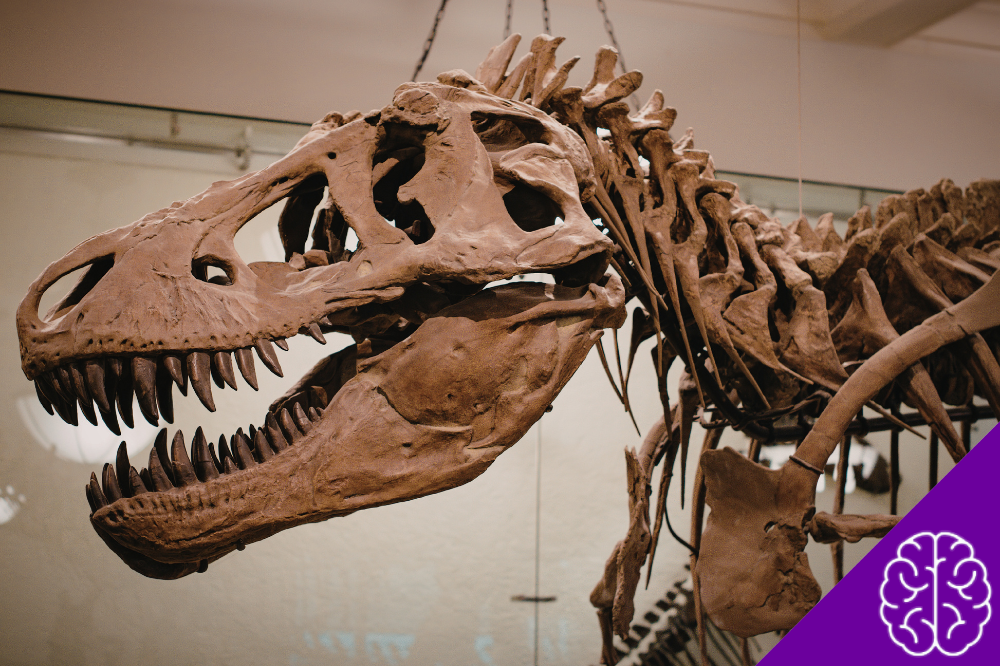
The story of dinosaur fossils in North America is one of the most remarkable chapters in paleontology. Across the continent, scientists have uncovered enormous fossil beds containing the remains of thousands of prehistoric animals, offering an extraordinary window into life millions of years ago.
These fossil-rich regions are often called “giant graveyards” because of the sheer number of bones preserved in a single location. Some sites contain the remains of dozens of species, while others hold evidence of ancient disasters that wiped out entire groups of dinosaurs at once.
Why North America Is So Rich in Dinosaur Fossils
North America contains some of the world’s most productive fossil formations. During the Mesozoic Era, large portions of the continent featured rivers, floodplains, forests, and coastal environments that supported diverse dinosaur populations.
Over millions of years, sediment buried dead animals before scavengers and weather could completely destroy the remains. This natural preservation process created ideal conditions for fossilization.
Geological activity later exposed many of these ancient layers, allowing paleontologists to discover and study them.
The Morrison Formation: America’s Dinosaur Treasure Chest
One of the most famous fossil regions in the world is the Morrison Formation, which stretches across several western states, including Colorado, Utah, Wyoming, and New Mexico.
Dating back roughly 150 million years, the formation has produced some of the most iconic dinosaurs ever discovered.
Among the species found there are:
- Allosaurus;
- Stegosaurus;
- Apatosaurus;
- Diplodocus;
- Brachiosaurus.
Many of the skeletons displayed in museums across the United States originated from Morrison Formation excavations.
What Creates a Dinosaur Graveyard?
Not every fossil site becomes a giant graveyard. Certain conditions must occur for large numbers of animals to accumulate in the same area.
Scientists believe several factors contributed to these massive fossil concentrations:
- Seasonal droughts;
- Flood events;
- River channel deposits;
- Volcanic activity;
- Natural migration bottlenecks.
In some locations, animals likely gathered around shrinking water sources during dry periods. When environmental conditions worsened, large numbers died in the same region, creating dense bone beds that later fossilized.
Dinosaur Provincial Park’s North American Connection
Although located in Canada, Dinosaur Provincial Park is part of the broader North American fossil story and ranks among the richest dinosaur sites ever discovered.
The park has yielded hundreds of dinosaur skeletons and fossils representing dozens of species from the Late Cretaceous Period.
Researchers continue to uncover new specimens there, making it one of the most important paleontological locations on the continent.
The Bone Wars and the Fossil Boom
The late 19th century witnessed an intense scientific rivalry known as the Bone Wars. Two paleontologists, Othniel Charles Marsh and Edward Drinker Cope, competed aggressively to discover and name new dinosaur species.
Their rivalry drove extensive fossil exploration across western North America.
As a result, many famous dinosaur species were identified during this period, and public fascination with prehistoric life grew dramatically throughout the United States.
Some Fossil Beds Contain Thousands of Bones
Several North American fossil sites contain astonishing numbers of dinosaur remains.
Instead of finding complete skeletons, researchers often encounter vast deposits of scattered bones belonging to numerous individuals. These sites help scientists understand population structures, herd behavior, growth patterns, and even possible causes of death.
Large bone beds also provide clues about ancient ecosystems because they preserve animals that lived together in the same environment.
How Fossils Help Reconstruct Ancient Ecosystems
Dinosaur fossils reveal much more than the appearance of prehistoric animals. They also help researchers understand climate, vegetation, predator-prey relationships, and environmental changes.
By studying fossilized plants, footprints, teeth, and bone chemistry, scientists can recreate surprisingly detailed pictures of ecosystems that existed tens of millions of years ago.
These discoveries continue to reshape our understanding of how dinosaurs lived, migrated, hunted, and adapted to changing environments.
Are New Dinosaur Fossils Still Being Found?
Many people assume all major dinosaur discoveries have already been made, but that is far from the truth.
Every year, researchers uncover new fossils across North America. Some discoveries involve previously unknown species, while others provide fresh information about dinosaurs that scientists have studied for decades.
Advances in imaging technology, excavation methods, and laboratory analysis also allow researchers to learn more from fossils that have been sitting in museum collections for years.
Why Dinosaur Fossils in North America Remain So Important
The study of dinosaur fossils in North America continues to play a central role in paleontology. The continent’s vast fossil formations preserve an unparalleled record of prehistoric life and provide evidence that helps scientists answer questions about evolution, extinction, and ancient ecosystems.
From the Morrison Formation to massive bone beds scattered across the western United States and Canada, these giant graveyards continue to reveal new secrets about a world that disappeared millions of years ago.
- You May Also Like: What If Dinosaurs Never Went Extinct