
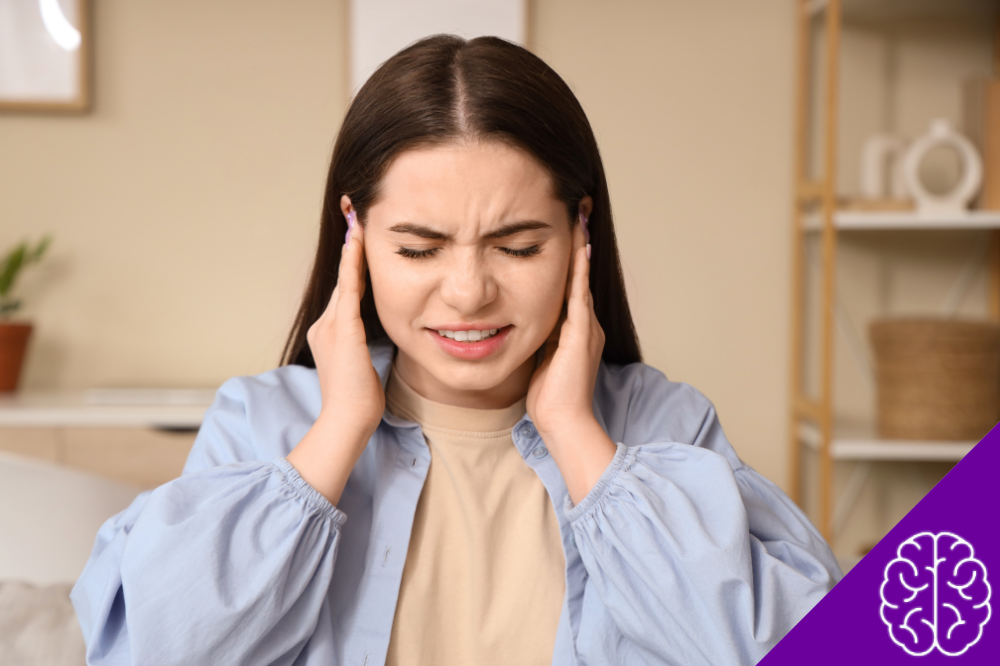
For most people, the sound of someone chewing potato chips or clicking a pen is nothing more than minor background noise. But for a select group of individuals, these everyday sounds can instantly trigger an intense wave of anger, anxiety, or panic. This extreme emotional and physiological response isn’t just irritability or “being sensitive”—it is a recognized neurological condition.
If you have ever felt an overwhelming urge to flee the room or yell at a loud chewer, you might be dealing with a brain wiring anomaly. To understand why certain auditory triggers cause such a profound reaction, we have to look closely at the mechanics of the brain. This guide breaks down what is misophonia, the biological science behind the rage, and how those affected can manage their symptoms.
The Definition of Misophonia
Literally translating to the “hatred of sound,” misophonia is a condition characterized by intense, negative emotional and physical reactions to highly specific, repetitive sounds. It is important to clarify that this is not a problem with the ears themselves; people with this condition usually have perfectly normal hearing. Instead, the issue lies entirely within how the brain processes auditory information.
The sounds that cause these reactions are known as “triggers.” While they can vary from person to person, they almost always share a common theme: they are everyday noises generated by other human beings. For those living with this condition, these sounds do not just register as annoying; they are perceived by the brain as an immediate, existential threat.
Common Triggers That Cause Instant Rage
While any repetitive sound can theoretically become a trigger, researchers have noted that the vast majority of misophonic responses are tied to oral and nasal noises. The repetitive nature of these sounds seems to aggravate the neurological response, making it nearly impossible for the sufferer to focus on anything else.
The most frequent culprits identified by specialists include:
- Eating Sounds: Loud chewing, crunching, lip-smacking, swallowing, and silverware scraping against teeth.
- Breathing Noises: Heavy breathing, sniffing, snoring, sighing, and throat-clearing.
- Environmental/Mechanical Sounds: Pen clicking, keyboard typing, clock ticking, and foot tapping.
- Visual Triggers: In some cases, just seeing someone mimic a trigger action—like jaw chewing motion—can cause the same rage, a related phenomenon known as misokinesia.
What Happens Inside the Misophonic Brain?
To truly grasp what is misophonia, we have to look at brain imaging studies. Research conducted by neurological institutes reveals that when an individual with this condition hears a trigger sound, their anterior insular cortex (AIC) goes into overdrive. The AIC is the part of the brain responsible for processing emotions and connecting sensory inputs with visceral reactions.
In a misophonic brain, there is an abnormal amount of connectivity between the auditory cortex and the network that governs the “fight-or-flight” response. When a trigger sound enters the ear, the brain mistakenly categorizes it as a life-threatening danger. This triggers an immediate spike in adrenaline, a rapid heart rate, and an overwhelming surge of anger or panic, forcing the person into a state of survival mode over a simple chewing sound.
Is It a Psychological or Neurological Disorder?
For decades, people who suffered from these symptoms were dismissed as being overly dramatic, controlling, or sensitive. However, the modern consensus among medical researchers is that misophonia is a distinct neurological condition, not a behavioral choice. It operates independently of standard anxiety disorders or obsessive-compulsive tendencies, though it can certainly exacerbate them.
Because the condition is involuntary, telling someone to “just ignore the sound” is biologically equivalent to telling someone with a broken bone to stop feeling pain. The neurological misfire happens automatically at a subconscious level. Recognizing this distinction is vital for fostering empathy and reducing the isolation that many sufferers experience in their daily lives.
Coping Mechanisms and Management Strategies
Currently, there is no magical cure to completely erase misophonia, but there are highly effective management tools. Because the condition can severely strain personal relationships and workplace productivity, finding healthy ways to insulate oneself from triggers is essential.
- Noise Mitigation: High-quality noise-canceling headphones and earplugs are indispensable tools for surviving shared meals or open-office environments.
- White Noise Generators: Utilizing ambient sounds, rain noises, or fans can help mask lower-frequency triggers and give the auditory cortex something neutral to focus on.
- Cognitive Behavioral Therapy (CBT): While it cannot change the brain’s initial wiring, CBT can help individuals manage their emotional aftermath and de-escalate the panic response.
- Communication and Boundaries: Educating family members and coworkers about the condition helps prevent misunderstandings, ensuring they know the reaction is a neurological reflex rather than a personal attack.
Decoding the Science of Sound Sensitivity
The reality of what is misophonia highlights the incredible complexity and occasional quirks of human biology. It shows that our sensory experience of the world is completely dependent on how our internal wiring interprets data. What is peace and quiet to one person can be an auditory assault to another.
As scientific awareness grows, the stigma surrounding sound-induced rage is beginning to lift. By understanding the neurological roots of the condition, we move away from judgment and closer to effective solutions, ensuring that those with sensitive wiring can find peace in a very noisy world.