

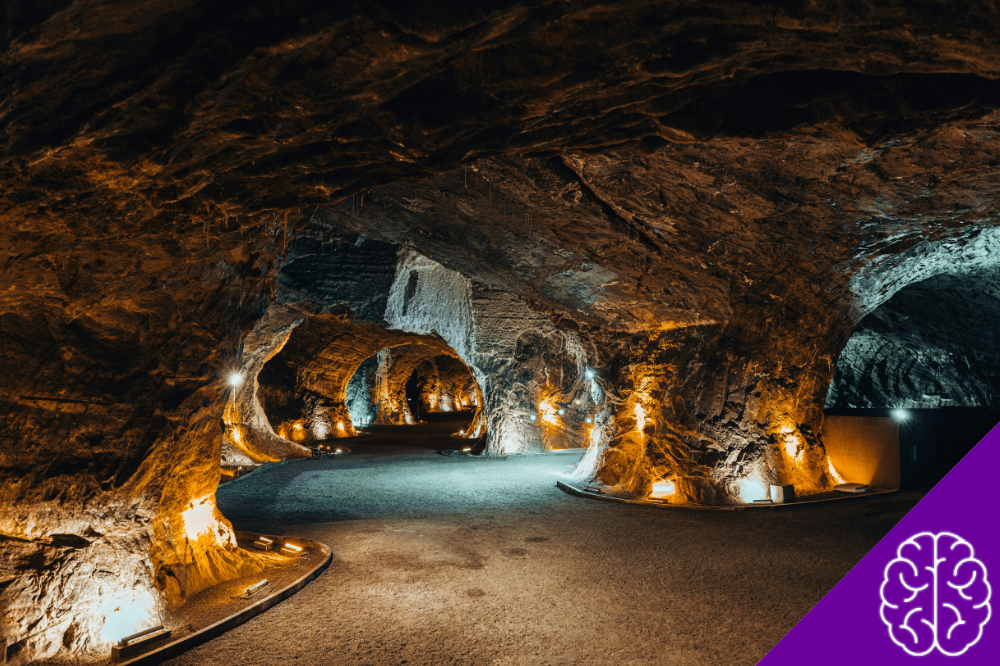
What if your home were built beneath the desert instead of on top of it? In Coober Pedy, South Australia, an underground village-like way of life has developed around homes known as dugouts, creating a lifestyle unlike almost anywhere else.
The town grew around opal mining, but underground homes became a practical response to the region’s extreme heat. Today, homes, churches, hotels and other spaces can be found below the surface.
Where is Coober Pedy?
Coober Pedy sits in the far north of South Australia, about 850 kilometers north of Adelaide along the Stuart Highway.
The town is part of Australia’s Outback and has a population of roughly 2,000 to 2,500 people, depending on the source and date of the estimate.
Coober Pedy is officially a town, although people often describe it as an underground town because of its unusual homes and buildings.
Why do people live underground?
The answer starts with the climate.
Coober Pedy experiences extremely hot conditions, with summer temperatures regularly reaching 47°C. Living below ground protects residents from much of that heat and creates a more stable indoor environment.
Underground homes therefore became a practical solution rather than simply an architectural curiosity.
The main advantages include:
- protection from extreme outdoor temperatures;
- more stable indoor conditions;
- the ability to use excavated spaces for housing;
- less exposure to the intense desert environment.
How mining created underground homes
Coober Pedy’s underground lifestyle is closely connected to its opal industry.
Opal was discovered in the area in 1915, attracting miners to what was initially known as the Stuart Range Opal Field.
Early miners worked with limited resources in an isolated desert environment. Some adapted mining excavations into basic homes.
Over time, residents improved these spaces and created larger and more comfortable underground dwellings.
The connection between mining and housing remains visible throughout the town today.
What is a dugout?
A dugout is an underground dwelling excavated directly into the surrounding ground.
Instead of constructing all the walls above the surface, residents carve rooms into suitable areas of rock and earth.
A modern dugout can have:
- bedrooms;
- kitchens;
- bathrooms;
- living rooms;
- storage areas;
- electricity;
- ventilation;
- other standard household features.
From outside, a dugout may look relatively simple. Inside, however, it can function much like a conventional home.
Some underground residences are surprisingly large. The official Coober Pedy tourism site says some dugouts can reach 450 square meters.
What are underground homes like?
A dugout does not necessarily look like a dark cave.
Residents can have furniture, artwork, kitchens, bathrooms and other features found in conventional houses. The main difference is that the surrounding earth replaces much of the exterior structure.
The underground environment also helps regulate temperature.
Official local information says many underground homes remain around 23°C to 25°C throughout the year, despite the extreme conditions outside.
Is the whole town underground?
No. Coober Pedy has plenty of conventional buildings and activities above ground. The underground spaces simply form a distinctive part of the community.
Visitors can find underground:
- homes;
- churches;
- hotels;
- shops;
- galleries;
- former mines;
- tourist attractions.
South Australia’s official tourism website describes Coober Pedy as an underground town with houses, hotels and shops beneath the surface.
So while the idea of an underground village is based on something real, Coober Pedy is not one enormous city hidden beneath the desert.
Underground churches
The underground lifestyle extends beyond private homes.
Coober Pedy has several underground churches, including:
- Serbian Orthodox Church;
- St Peter and Paul Catholic Church;
- Catacomb Church.
These buildings show how residents adapted underground construction for community and religious spaces.
St Peter and Paul Catholic Church opened in 1967, while the Serbian Orthodox Church was built in 1993. The Catacomb Church dates from the 1970s.
Can you visit an underground home?
Yes. Underground homes are among Coober Pedy’s major attractions.
One example is Faye’s Underground Home, where visitors can see how an early dugout was adapted into a residence.
The town also has attractions connected to its mining history. The Old Timers Mine includes underground areas and historic homes, giving visitors a look at how people lived and worked during Coober Pedy’s early mining period.
How underground living became part of the town
Underground living did not begin as a single planned development.
Instead, it grew gradually as miners searched for opal and adapted the spaces they excavated. As the town expanded, residents turned these areas into more comfortable homes.
The practice eventually became established enough that Coober Pedy’s planning system created a specific Residential (Underground) Zone for suitable areas where underground dwellings can be developed.
That means underground housing is not simply part of the town’s history. It remains part of its residential landscape.
Do most residents live underground?
A significant share of the population does, but not everyone.
The South Australian government’s current information states that about 60% of Coober Pedy’s population lives in dugouts.
This creates an unusual contrast within the same community: some residents live in conventional buildings above ground, while others live in homes carved into the earth.
Is Coober Pedy really an underground village?
The underground homes are real, but some descriptions online make the town sound more like a fictional underground city than it actually is.
Coober Pedy does not consist of one enormous network of connected tunnels where everyone lives.
Instead, the town contains individual underground homes and other subterranean buildings spread throughout the community.
Some properties have been expanded over time, while underground hotels, churches and tourist attractions add to the town’s distinctive appearance.
Why is Coober Pedy famous?
Three things define Coober Pedy:
- opal mining;
- extreme desert conditions;
- underground living.
The town’s history began with opal mining, but the environment influenced how residents built their homes.
Instead of relying entirely on conventional construction to deal with the heat, residents adapted the buildings themselves to the landscape.
That combination has made Coober Pedy one of Australia’s most distinctive Outback destinations.
What can visitors experience?
A trip to Coober Pedy can include much more than seeing an underground house.
Visitors can:
- explore former mines;
- learn about the opal industry;
- visit underground churches;
- tour historic dugouts;
- stay in underground accommodation;
- explore the surrounding desert landscape.
The Moon Plain and Breakaways are also among the landscapes associated with the region.
For travelers interested in underground living, staying in a dugout provides an opportunity to experience the environment rather than simply seeing it as a tourist attraction.
A town shaped by the desert
Coober Pedy shows how people can adapt architecture to challenging environmental conditions.
What began with miners searching for opal eventually created a distinctive form of housing. Today, dugouts remain part of everyday life while underground homes, churches and former mines attract visitors from around the world.
The underground village is not a fictional hidden city. It is a real community where living below the surface became a practical response to the desert.